

With a mission and a list of tasks to complete, I arrived at the office late again and pretended to look anxious so my manager wouldn’t question my tardiness.
She looked at me and asked, “What happened?”
I said, “Traffic.”
No response.
I called the 159 sales executives in Delhi, but only 40 or 50 answered, and just four or five were actively working in the field. My job was to encourage them to meet daily targets and report progress to the team leader.
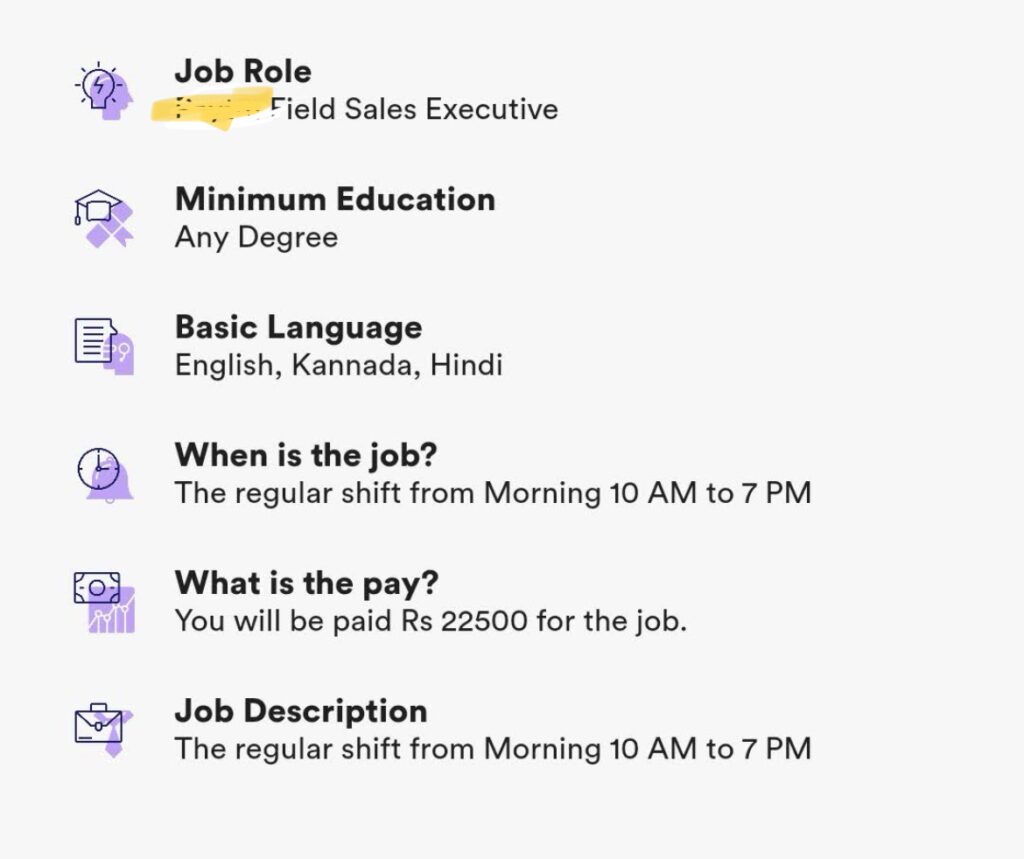
By lunchtime, my manager asked me, “How many people are on the field?”
I said, “Four or five.”
She frowned. “That’s ridiculous.”
I explained, “Ma’am, I called everyone, but hardly anyone picked up.”
She took me into the meeting room and told me to call people right there.
“Hello, I’m Prajwal from Stellar Panda Techno-Innovation.”
Before I could even finish, people would hang up.
Since it was lunch hour and no one had picked up, I started freaking out. My manager told me to finish lunch and sit next to the ops manager. “He’ll guide you on what to do next,” she said.
So I sat next to him.
He glanced at me, a quick assessment, before saying, “Let’s hear how you handle these calls.” With a curt nod, he gestured for me to begin. After a few calls, he cut in, “Don’t mention the company name. These people already know who we are. Just use the project name and talk casually. Being too polite won’t make them work for you.”
That was interesting.
He picked up the list himself and started calling one by one. It was like watching a master at work. With each call, there was a subtle build-up of excitement; my heart began to race faster, matching the rapid-fire rhythm of his words. He got updates, pushed them to work, and motivated them to hit their targets. It was as if he was infused with pure go-getter energy, reminiscent of Ari Gold from Entourage or Dwight Schrute from The Office.
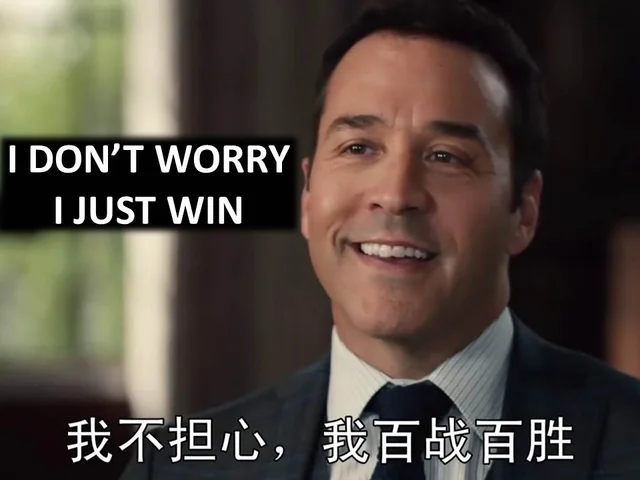
After watching him, I started doing the same. And things began to get better.
Every morning, I called my team leader in Delhi to get updates. Then I’d call his crew, cheer them up, and slowly, that list of 159 contacts shrank into 9 to 11 solid workers.
I was killing it. My confidence was up.
Sometimes I’d get ridiculous excuses for not showing up on the field. When I told my manager, she said, “Go hard on them.”
So I did.
Once, a crew member said his tire got flat. I asked if he could see a bus stop nearby. He said yes. “Then take a bus and get it done. Don’t give excuses,” I said.
Another time, someone told me that he had been attacked by dogs. I thought it was a made-up story until he sent photos of the bite on WhatsApp. It was disturbing. I told my manager, “One of the crew got bitten by a dog. Can we help him somehow?”
She said, “Since he’s a gig worker, we can’t do anything.”
That felt absurd to me.
From that day, I started being more lenient with people. I chose empathy over being bossy. Some of my update calls turned into conversations about their lives, about how hard their work was in the field. It made me grateful to have an office job.
Days passed. Work was going smoothly. My Delhi team was self-sufficient, so I had less to do.
Every morning, I finish update calls in about an hour. The rest of the day, I watched YouTube or scrolled through Instagram reels.
My CEO noticed. Soon after, my manager asked me to help my teammates. “Since you’re doing well, I want you to help others,” she said.
I agreed. I sat next to my colleagues and asked for the project name.
They said, “This is cold calling. No project name.”
“Then how do I start?” I asked.
They laughed.
I started the calls with, “Hey, I’m Prajwal from Stellar Panda Techno-Innovation.”
Company name so lenghty that I had repeat myself twice or thirce. People had no time for it.
I realized this is the hardest part of the job.
Every time we said the company name, people would hang up before we finished.
So every time I said it, I faced rejection.
We all did. Sitting next to each other, we’d hear the click of the call disconnecting, look at each other, giggle, and curse the world for treating us like that.
A few days passed. The routine was the same.
I start my day with morning calls to my Delhi team, followed by assisting with cold calls and handling rejections.
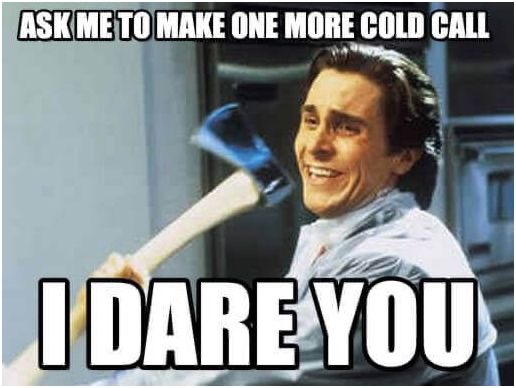
I started hating it slowly. I was doing more than I was supposed to.
I realized something important. In startups or corporate jobs, you either stay busy or seem busy.
Some workplaces don’t support idle time. If you look free, you’ll be given more work.
A month passed in that manner, and by then, I had grown accustomed to rejection.
Work had taught me a few things.
“Don’t take rejections personally,”
I reminded myself one day after a particularly tough morning of calls. The rejections were just part of the job, not a reflection of who I was. I recalled how each click of a disconnect had once felt like a door slamming in my face. Now, they were just another call, another lesson.
Then there was the matter of respect for telecallers. I remembered a time I had been curtly dismissed, and it dawned on me. the person on the other end might not care about my pitch, but they’d appreciate kindness. That understanding changed my approach, making me think about how I could treat them with a bit more kindness and understanding.
Always seem busy. In office, inactivity wasn’t accepted; inaction was seen as the enemy. Like a juggler in a circus, I learned to keep all tasks in the air. Each plate was a project, constantly needing a push, lest they falter.
Empathy is important, but don’t let it be misused.
“Prajwal, you’ve done a great job on this project, but we might have to let you go on this.” I was prepared for this. Read Chapter 4.
Peace out
Post a comment0Comments
Your email address will not be published.
Required fields are marked *